Date Listed:

2 bed Tenanted family home – North Wales

LL29 8FD,

North Wales

£138,500

Property Details

Investment Opportunity

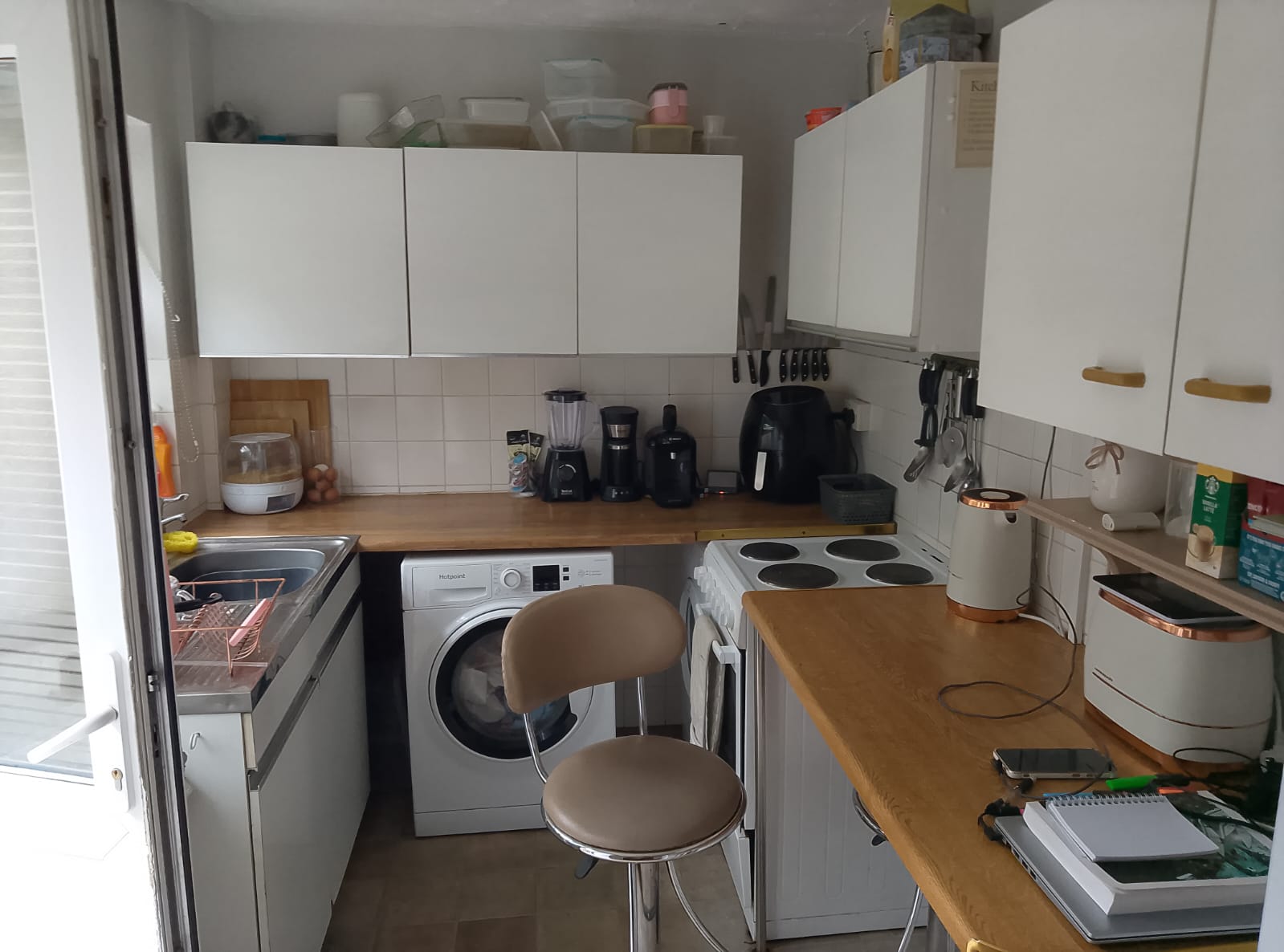
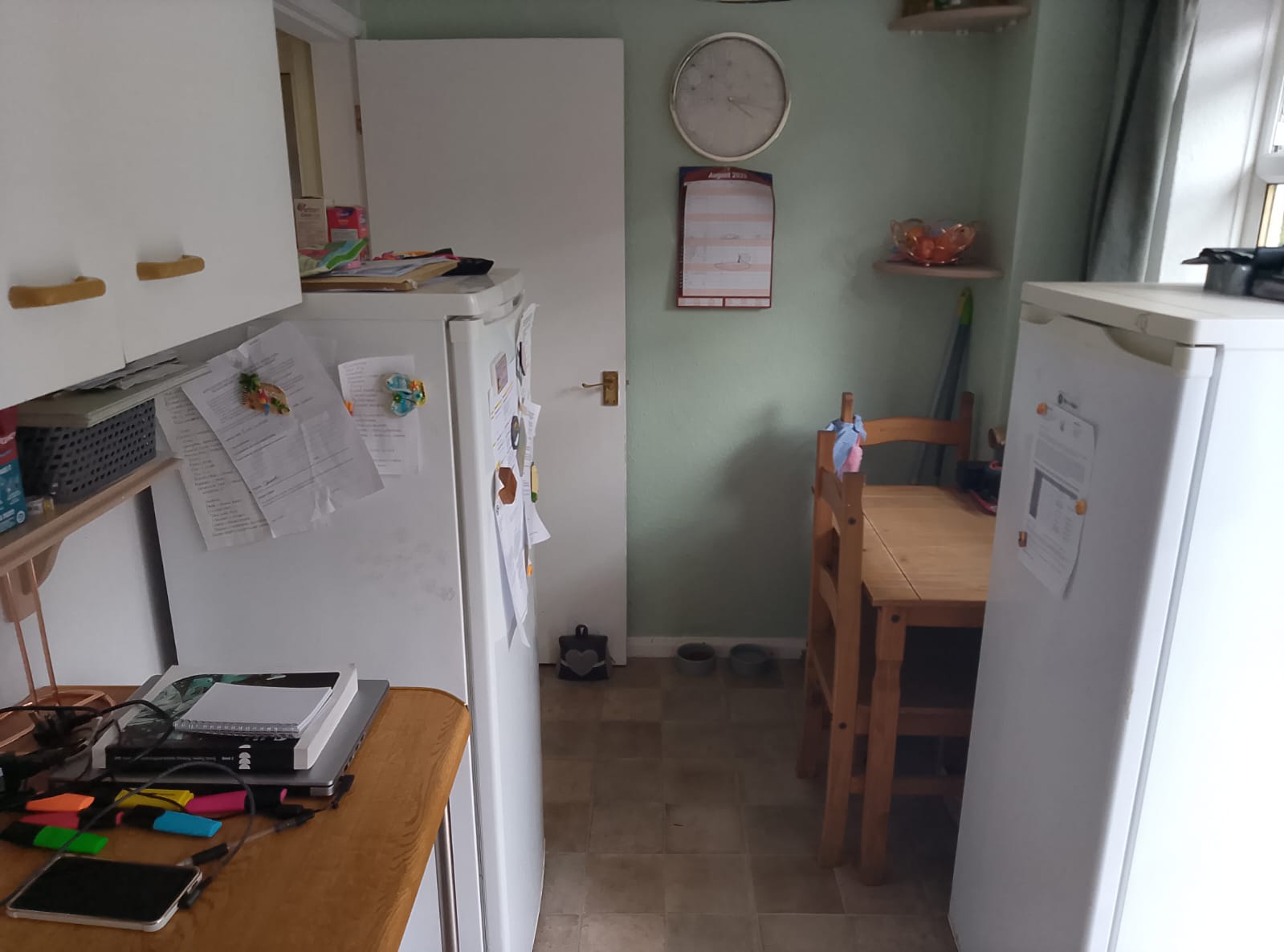
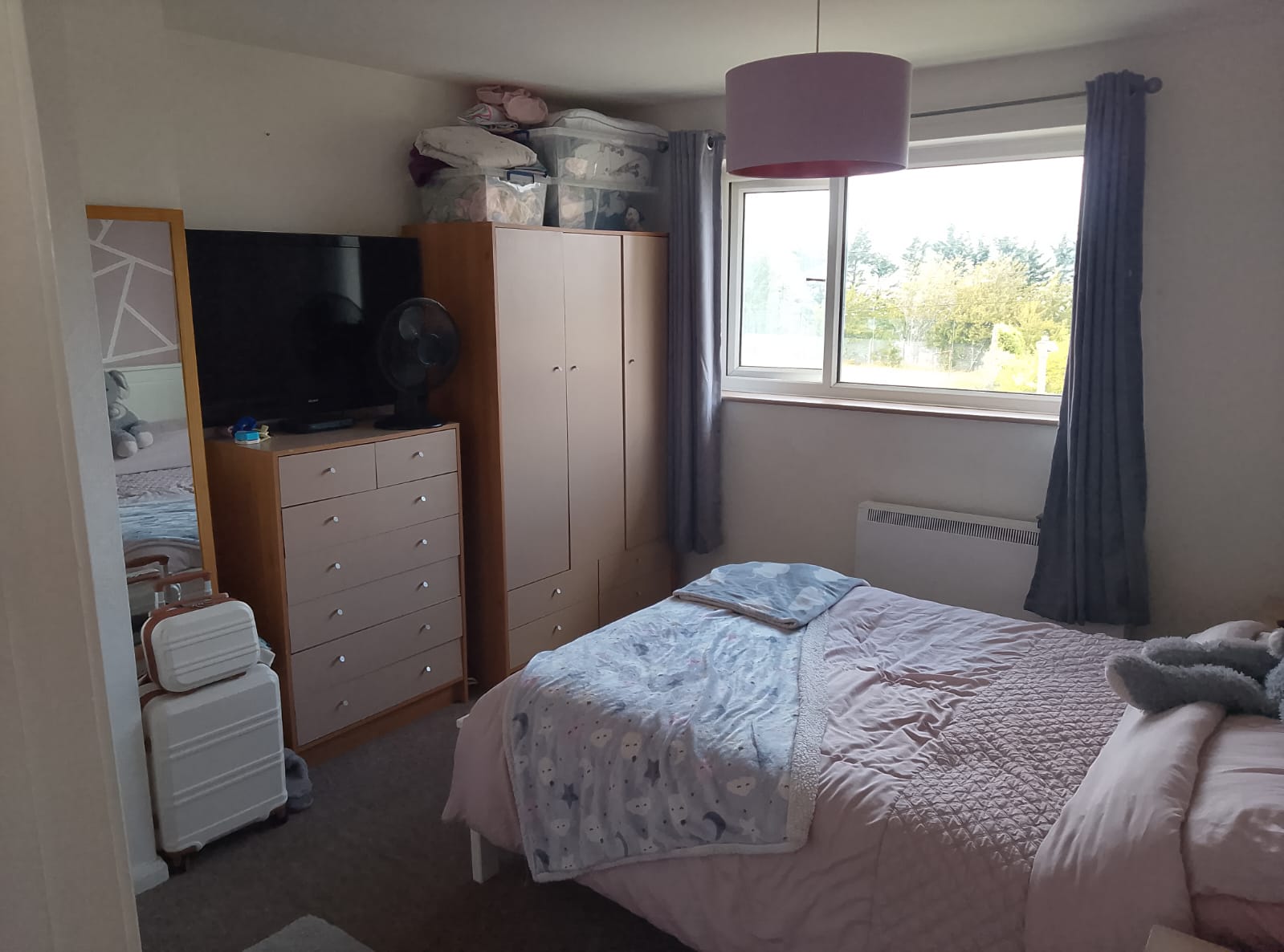
2 bedroom family home in North Wales – around 15-20% Below market value with a great long term tenant in place at £800 pcm
Investor Price of £138,500 with historical sales in excess of £160k Very popular area for families and a great long term investment that will reap high yields and good Capital Growth.
Incredibly solid long term investment in a very popular residential area.

Financial Information

Here, we provide the key financial details of the property, including the listing price, market value, current rental income, and potential annual rent. This allows you to assess the investment potential at a glance.

Investment Features

  • 3rd Party Management In Place
  • BMV – Below Open Market Value By More Than & Estimated 15%
  • Capital Appreciation Growth – Expected & Very Good
  • Growth Orientated Property
  • Mortgage Options Available
  • Potential To Add Value
  • Tenanted
  • Very Good Yield On Based On Purchase Price Between 7-9.9%
  • Yield & Equity Based Property

Location

Frequently Asked Questions

Buying or selling a property can be complex, and industry jargon often makes the process even more confusing. To help you navigate the terminology, we’ve put together a list of frequently used property terms and their meanings. Whether you’re a first-time buyer or an experienced investor, this guide will clarify key terms and make the process easier to understand. If you have any further questions, our team is always here to help.

Q: What is considered a good yield?

A good yield on property depends on factors like location, property type, and investment strategy. However, here are some general benchmarks:

Property Type

Yield Range

Comments

Standard Buy-to-Let (BTL)

5% – 7%

Common in most UK cities, suitable for long-term investments.

HMO (House in Multiple Occupation)

8% – 12%

Higher yields due to multiple tenants, but more management required.

MUFB (Multi-Unit Freehold Block)

7% – 10%

Good balance between yield and stability, with self-contained units.

Serviced Accommodation (Short Lets, Airbnb)

10% – 15%

Higher yields possible, but seasonal fluctuations and higher costs.

Commercial Property

6% – 10%

Longer leases provide stability, but can be harder to sell quickly.

Q: What Factors Affect Yield?

Location – Cities with high rental demand and lower price points, with a more blue-collar profile or young up and coming professional profile or suburbs of cities, tend to offer better yields than prime areas like London, Manchester and Birmingham centres.

Property Type – HMOs and short-term rentals generally yield higher than single-lets.

Purchase Price – Buying below market value (BMV) improves yield.

Tenant Type – Professional tenants, students, or holiday renters can impact income stability.

Expenses & Management Costs – Higher costs (e.g., maintenance, licensing) reduce net yield.

Q: How to Calculate a Good Yield?

Location – Cities with high rental demand and lower price points, with a more blue-collar profile or young up and coming professa

A quick rule of thumb:

Gross Yield: Aim for 6%+ for a solid return.

Net Yield: After deducting expenses, 5%+ is generally good for buy-to-let.

HMO/Serviced Accommodation: 8%+ is considered strong.

ional profile or suburbs of cities, tend to offer better yields than prime areas like London, Manchester and Birmingham centres.

Buying a property with equity in place means purchasing a property where the existing owner already has a significant amount of equity built up, and the buyer can benefit from it in the deal. This can happen in a few different ways:

Key Scenarios Where This Applies

  1. Below Market Value (BMV) Purchase
    • If a property is worth £250,000 but you buy it for £200,000, you immediately have £50,000 of equity in place.
    • This built-in equity can be useful for refinancing or securing better loan terms.
  2. Mortgage with Low Loan-to-Value (LTV)
    • If the seller has a low mortgage balance (e.g., only owes £100,000 on a £250,000 property), they have £150,000 of equity in place.
    • This can make it easier for a buyer to negotiate creative financing options like seller financing or deferred payments.
  3. Vendor Financing (Seller Agrees to Leave Equity in the Deal)
    • In some cases, the seller may agree to leave part of their equity in the property and allow the buyer to purchase with a smaller deposit.
    • Example: Instead of paying £250,000 upfront, the buyer may pay £200,000 now and the remaining £50,000 later.
  4. Lease Option or Delayed Completion
    • Investors sometimes structure deals where they control the property first (via a lease or option agreement) and benefit from its existing equity before completing the purchase.
  • Instant Equity Gain – The buyer can benefit from an immediate increase in net worth.
  • Easier Refinancing – Having equity in place can help secure better loan terms.
  • Less Cash Needed – Some deals allow buyers to purchase with lower deposits.
  • Better ROI – Higher equity means better leverage and returns on investment.

An HMO (House in Multiple Occupation) is a property rented out to multiple tenants who are not part of the same household but share facilities like a kitchen, bathroom, or living space. HMOs are common among student housing and shared accommodations. In the UK, an HMO is typically defined as a property rented to three or more unrelated tenants.

How is an HMO Valued?

The valuation of an HMO depends on several factors:

  1. Bricks & Mortar Valuation (Comparable Method)
    • This method values the property based on similar properties in the area.
    • Comparable sales of similar HMOs or single-let properties help determine the market value.
    • This is typically used for smaller HMOs (e.g., those with fewer than six tenants).
  2. Investment/Yield-Based Valuation
    • This method is used when the property is seen as a commercial investment.
    • The value is determined by the rental income and the expected yield (Return on Investment).
    • Formula: \text{Value} = \frac{\text{Annual Rental Income}}{\text{Yield (%)}}
    • Example: If an HMO generates £30,000 per year in rent and investors expect a 10% yield, the valuation would be: 30,000÷0.10=£300,000
  3. Gross Rent Multiplier (GRM) Method
    • This method values the HMO based on a multiple of the annual rent.
    • Formula: Value=Annual Rent×GRM
    • The GRM is determined by market conditions and varies by location.
  4. Commercial Valuation (HMO as a Business)
    • If the HMO operates as a fully managed business (e.g., serviced accommodation or licensed HMO), it can be valued similarly to commercial properties, based on Net Operating Income (NOI) and a capitalization rate.
  5. Factors Affecting HMO Value
    • Number of rooms (more rooms usually mean higher income).
    • Location (high-demand areas increase valuation).
    • Licensing & Planning (some HMOs require specific council licensing, affecting value).
    • Condition & Quality of Amenities (modern, well-maintained properties attract higher rents).
    • Management Costs (higher operational costs can lower profitability and thus valuation).

A MUFB (Multi-Unit Freehold Block) is a single freehold property that contains multiple self-contained residential units (such as flats or apartments). Unlike an HMO, where tenants share communal spaces, each unit in an MUFB has its own kitchen, bathroom, and living area.

Key Characteristics of a MUFB:

  • The entire block is owned under one freehold title (though individual units may be leased separately).
  • Each unit is self-contained, meaning it has its own kitchen and bathroom.
  • It can range from a small block of 2-3 flats to a large apartment complex.
  • The property can be rented to separate tenants, often generating a higher rental income compared to single-let properties.

MUFB vs. HMO: Key Differences

Feature

MUFB

HMO

Property Type

Multiple self-contained flats under one freehold

Shared accommodation with individual rooms

Facilities

Each unit has its own kitchen and bathroom

Shared kitchen and bathroom

Licensing

Generally, no HMO license required

May require an HMO license

Valuation Method

Often valued as a commercial property

Valued as either bricks & mortar or commercial (yield-based)

Rental Income

More stable, as tenants are independent

Can generate higher yields but involves more management

How is a MUFB Valued?

  1. Bricks & Mortar Valuation – If the MUFB is small (e.g., 2–3 flats), it may be valued based on comparable sales of similar properties.
  2. Income/Investment Valuation (Yield-Based) – Larger MUFBs are often valued like commercial properties, using rental income and expected yield: Value=Yield (%)Annual Rental Income​
  3. Break-Up Value – If the units can be sold separately (e.g., as leasehold flats), the MUFB may be valued based on the potential total sale price of all individual units.

“Part of a portfolio” means that a property is included within a larger group of properties owned by an individual, company, or investment fund. This portfolio can consist of various types of properties, such as:

  • Residential properties (single-lets, HMOs, MUFBs)
  • Commercial properties (offices, retail units, warehouses)
  • Mixed-use properties (a combination of residential and commercial units)

Why Does It Matter?

  1. Portfolio Valuation – Properties within a portfolio may be valued differently than standalone properties. A portfolio’s overall value can be assessed based on:
    • The total rental income
    • Market value of each property
    • The portfolio’s risk and diversification
    • Potential for capital appreciation
  2. Financing & Mortgages – Lenders may offer portfolio mortgages, allowing landlords to finance multiple properties under one loan instead of separate mortgages for each.
  3. Tax Efficiency – Some investors structure portfolios under a limited company (SPV – Special Purpose Vehicle) for tax benefits.
  4. Risk Management – Having a diverse portfolio can reduce risk, as losses in one property can be offset by gains in another.

A full portfolio sale means selling an entire property portfolio as a single transaction rather than selling each property individually. This is common among landlords, investors, and property funds looking to liquidate their holdings efficiently.

Key Features of a Full Portfolio Sale:

  1. Bulk Transaction – The entire portfolio (which may include residential, commercial, or mixed-use properties) is sold as one package.
  2. Discounted Pricing – Buyers often expect a discount compared to the total market value of individual properties due to the bulk nature of the deal.
  3. Investment Appeal – Typically attracts institutional investors, property funds, or portfolio landlords rather than individual homebuyers.
  4. Faster Exit Strategy – Allows the seller to offload multiple properties in a single transaction, reducing time and admin.
  5. Mortgage & Finance Considerations – Some buyers may use portfolio financing rather than securing individual mortgages for each property.

Valuation in a Full Portfolio Sale

The total value is determined by factors like:

  • Rental yield & income – Investors often use an income-based valuation (Yield = Rental Income / Purchase Price).
  • Market value of individual properties – Some buyers may assess the break-up value (what the properties would be worth if sold separately).
  • Location & tenant stability – Well-located, fully tenanted properties may command a higher valuation.
  • Potential for capital growth – Future development or rental income growth can impact the sale price.

What does BMV mean?

BMV (Below Market Value) refers to a property being purchased for less than its current open market value. This strategy is often used by investors to secure discounted properties that offer strong rental yields or capital appreciation potential.

Why Would a Property Sell BMV?

  • Motivated Sellers – Owners may need a quick sale due to financial difficulties, relocation, divorce, or inheritance.
  • Repossession or Distressed Sales – Banks or lenders selling foreclosed properties may accept a lower price.
  • Off-Market Deals – Some properties are sold privately to investors at a discount to avoid estate agent fees and long sale processes.
  • Bulk Portfolio Sales – Investors selling multiple properties in one transaction may offer discounts.
  • Lease or Structural Issues – Properties with short leases, planning restrictions, or required renovations may sell for less.

BMV Property Risks & Considerations

  • Due Diligence – Ensuring the valuation is accurate and the discount is genuine.
  • Mortgage Restrictions – Some lenders may not finance heavily discounted properties.
  • Legal Compliance – Avoid unethical “BMV schemes” where sellers are misled or pressured into selling at a loss.
  • Exit Strategy – Understanding the long-term investment potential, whether through buy-to-let, flip & sell, or refinancing.

“Tenanted” means that a property is currently occupied by tenants who are renting it, rather than being vacant. This can apply to residential, commercial, or mixed-use properties.

Why Does It Matter?

  1. Rental Income from Day One – A tenanted property generates income immediately upon purchase.
  2. Buy-to-Let Investors Prefer Tenanted Properties – Investors often seek tenanted properties to avoid the hassle of finding new tenants.
  3. Impact on Property Value –
    • A long-term tenant with a stable rental history can make a property more attractive.
    • If tenants are paying below-market rent or have short-term contracts, it could lower the value.
  4. Legal Considerations –
    • Assured Shorthold Tenancy (AST) agreements govern most residential lettings in the UK.
    • Buyers must honour existing tenancy agreements until they expire.
  5. Financing Implications – Some mortgage lenders have different criteria for tenanted vs. vacant properties, especially for buy-to-let loans.

Yield is a key metric used by property investors to measure the return on investment (ROI) of a rental property. It is typically expressed as a percentage and helps assess how profitable a property is in relation to its cost or value.

Types of Yield

  1. Gross Yield – The basic measure of rental return before expenses.
    Formula:

Gross Yield=(Property PriceAnnual Rental Income​)×100

Example:

    • Purchase Price: £200,000
    • Annual Rent: £12,000 (£1,000/month)
    • Gross Yield: (£12,000 / £200,000) × 100 = 6%
  1. Net Yield – A more accurate measure that accounts for operating costs (e.g., maintenance, management fees, insurance).
    Formula:

Net Yield=(Property PriceAnnual Rental Income−Expenses​)×100

Example:

    • Gross Annual Rent: £12,000
    • Annual Expenses: £2,000
    • Net Yield: (£12,000 – £2,000) / £200,000 × 100 = 5%
  1. Rental Yield vs. Capital Yield
    • Rental Yield focuses on income from rent.
    • Capital Yield (Capital Growth) refers to the increase in property value over time.
    • Total Yield = Rental Yield + Capital Growth

What Is a Good Yield?

  • 5-7% – Common for buy-to-let properties in the UK.
  • 8%+ – Considered high yield, often found in HMOs or properties in high-demand rental areas.
  • Lower Yield (3-5%) – Typically seen in prime locations with strong capital appreciation potential.

New question: What is considered a good yield?

A good yield on property depends on factors like location, property type, and investment strategy. However, here are some general benchmarks:

General Yield Benchmarks (UK Market)

Property Type

Yield Range

Comments

Standard Buy-to-Let (BTL)

5% – 7%

Common in most UK cities, suitable for long-term investments.

HMO (House in Multiple Occupation)

8% – 12%

Higher yields due to multiple tenants, but more management required.

MUFB (Multi-Unit Freehold Block)

7% – 10%

Good balance between yield and stability, with self-contained units.

Serviced Accommodation (Short Lets, Airbnb)

10% – 15%

Higher yields possible, but seasonal fluctuations and higher costs.

Commercial Property

6% – 10%

Longer leases provide stability, but can be harder to sell quickly.

Factors Affecting Yield

  1. Location – Cities with high rental demand and lower price points, with a more blue-collar profile or young up and coming professional profile or suburbs of cities, tend to offer better yields than prime areas like London, Manchester and Birmingham centres.
  2. Property Type – HMOs and short-term rentals generally yield higher than single-lets.
  3. Purchase Price – Buying below market value (BMV) improves yield.
  4. Tenant Type – Professional tenants, students, or holiday renters can impact income stability.
  5. Expenses & Management Costs – Higher costs (e.g., maintenance, licensing) reduce net yield.

How to Calculate a Good Yield?

A quick rule of thumb:

  • Gross Yield: Aim for 6%+ for a solid return.
  • Net Yield: After deducting expenses, 5%+ is generally good for buy-to-let.
  • HMO/Serviced Accommodation: 8%+ is considered strong.

Capital Appreciation refers to the increase in a property’s value over time. This growth happens due to factors such as market demand, infrastructure development, economic growth, and improvements to the property itself.

Key Aspects of Capital Appreciation

  1. Natural Market Growth – Property values tend to rise over the long term due to inflation and increased demand.
  2. Location Matters – Areas with strong economic growth, good transport links, and regeneration projects tend to see higher appreciation.
  3. Supply & Demand – Limited housing supply in high-demand areas can push prices up.
  4. Property Improvements – Renovations, extensions, or conversions (e.g., turning a house into an HMO) can increase value.
  5. Economic Factors – Interest rates, government policies, and employment rates influence property prices.

Capital Appreciation vs. Rental Yield

  • Capital Appreciation is a long-term growth strategy, focused on increasing property value.
  • Rental Yield provides short-term cash flow from rental income.
  • Investors often balance both to maximize returns.

Example Calculation

  • Property Purchase Price: £200,000
  • Value After 5 Years: £250,000
  • Capital Appreciation: £50,000
  • Percentage Growth: (£200,000£50,000​)×100=25%

What does buying a property with Equity in place mean?

Buying a property with equity in place means purchasing a property where the existing owner already has a significant amount of equity built up, and the buyer can benefit from it in the deal. This can happen in a few different ways:

Key Scenarios Where This Applies

  1. Below Market Value (BMV) Purchase
    • If a property is worth £250,000 but you buy it for £200,000, you immediately have £50,000 of equity in place.
    • This built-in equity can be useful for refinancing or securing better loan terms.
  2. Mortgage with Low Loan-to-Value (LTV)
    • If the seller has a low mortgage balance (e.g., only owes £100,000 on a £250,000 property), they have £150,000 of equity in place.
    • This can make it easier for a buyer to negotiate creative financing options like seller financing or deferred payments.
  3. Vendor Financing (Seller Agrees to Leave Equity in the Deal)
    • In some cases, the seller may agree to leave part of their equity in the property and allow the buyer to purchase with a smaller deposit.
    • Example: Instead of paying £250,000 upfront, the buyer may pay £200,000 now and the remaining £50,000 later.
  4. Lease Option or Delayed Completion
    • Investors sometimes structure deals where they control the property first (via a lease or option agreement) and benefit from its existing equity before completing the purchase.

Why Is This Beneficial?

  • Instant Equity Gain – The buyer can benefit from an immediate increase in net worth.
  • Easier Refinancing – Having equity in place can help secure better loan terms.
  • Less Cash Needed – Some deals allow buyers to purchase with lower deposits.
  • Better ROI – Higher equity means better leverage and returns on investment.

Enquire About THis Property

For more information about this property and any enquiries you have, please contact us using the web contact for or give us a call.

Call us on 0330 223 6915

Login to view Property details

Please login or sign up for a free account.